Guide
2021
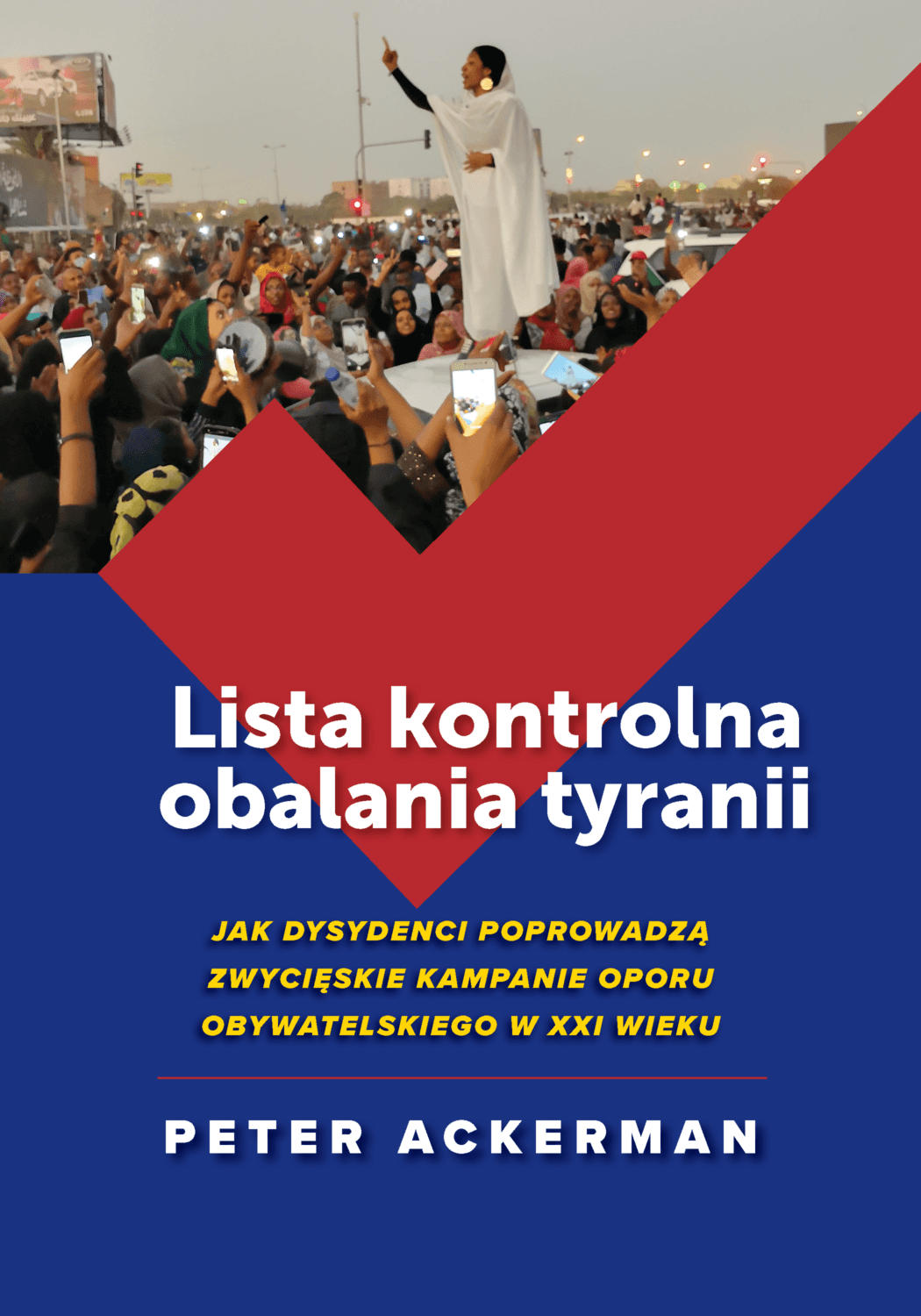
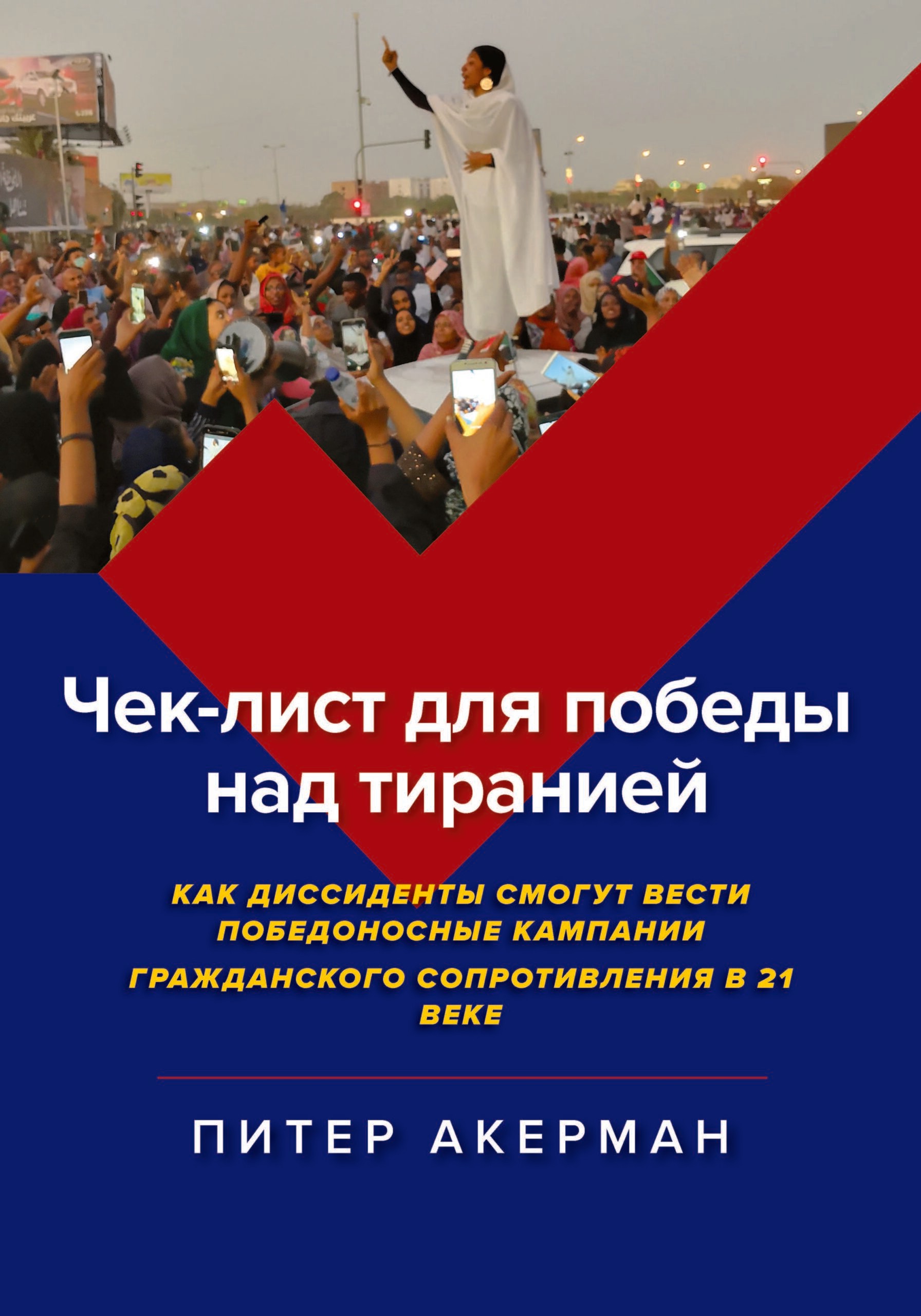
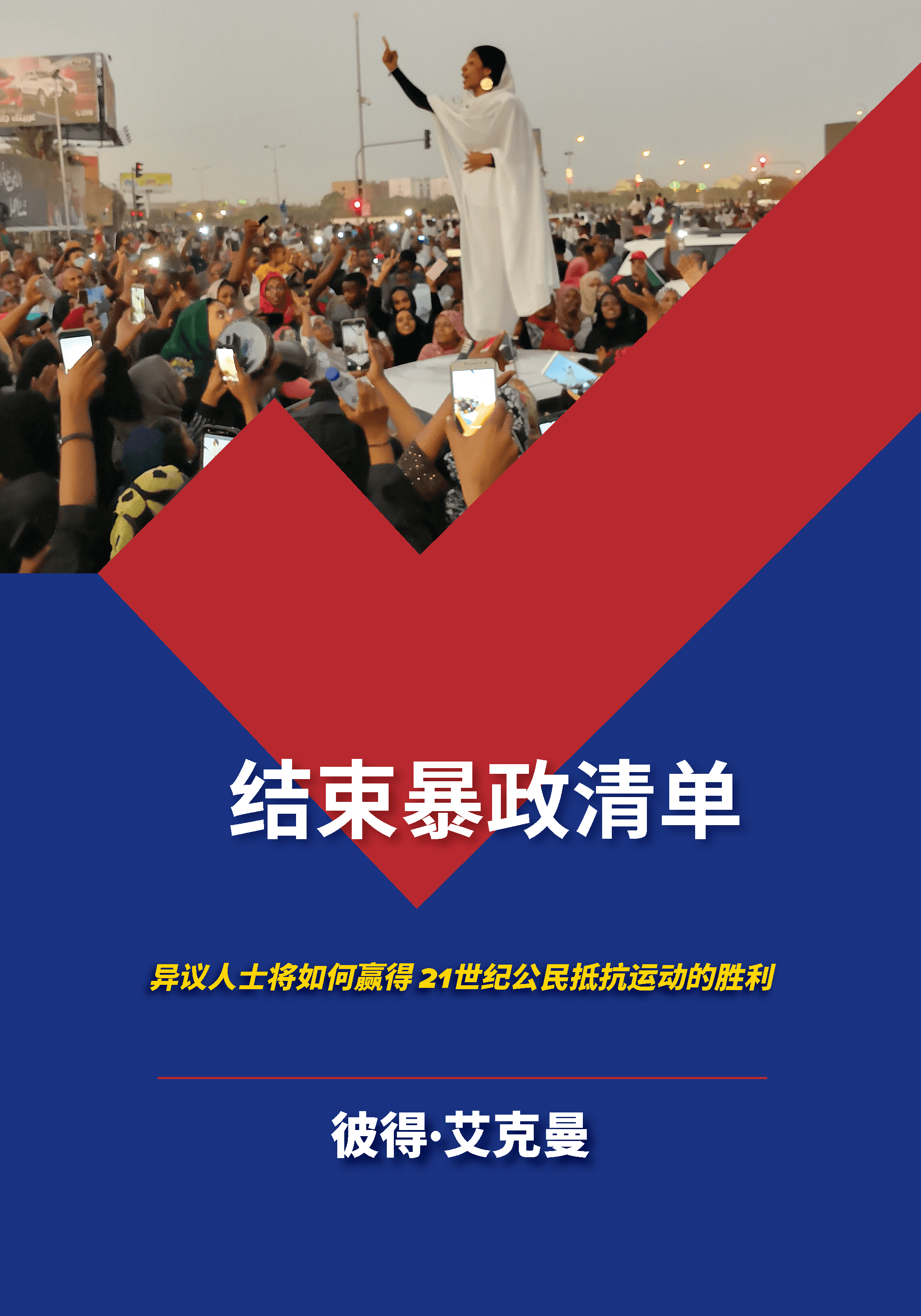
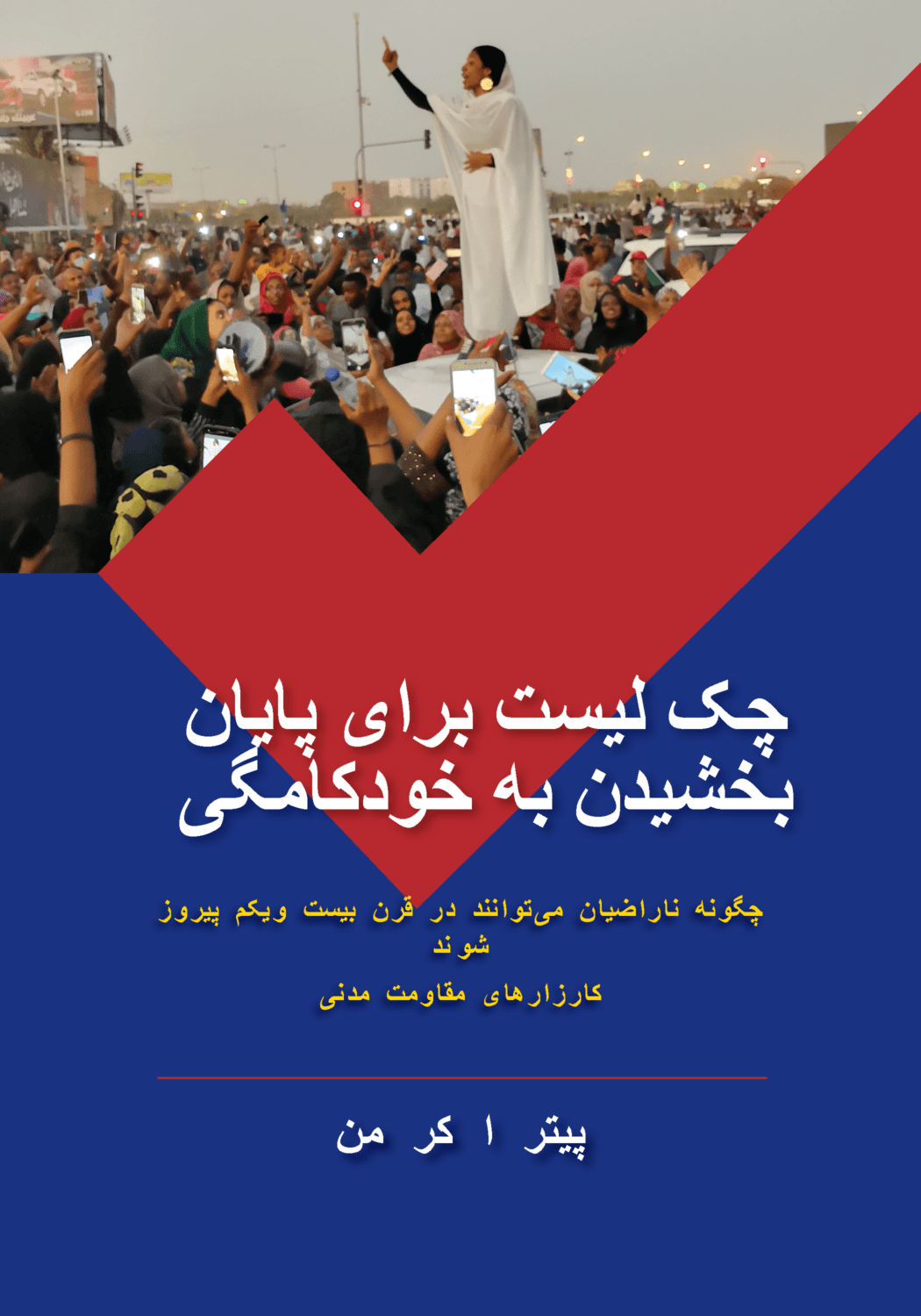
The Checklist to End Tyranny
How Dissidents Will Win 21st Century Civil Resistance Campaigns
By Peter Ackerman
Get the paperback
Available wherever books are sold. Any profit goes back into new research and writing workshops.
Buy the paperback
Download the free PDF
Available in 10 languages
About the book
The Checklist to End Tyranny is the culmination of a 50-year mission to develop and share knowledge about how civil resistance campaigns can expand freedom in the world. ICNC is providing complimentary copies to dissidents as well as academics, foreign policy specialists, democracy promotion professionals, and members of the media.
Today the deadliest conflicts are not between states but rather within them, pitting tyrants against the populations they oppress. Over a century of data shows that civil resistance campaigns — employing strikes, boycotts, mass protests, and many other nonviolent tactics — are the most powerful means for societies to confront authoritarians.
The Checklist to End Tyranny is dedicated to enabling dissidents to become more strategic in their thinking and therefore more skillful in their quest to achieve democracy and human rights. This volume is also a unique resource in helping professionals in the foreign policy and democracy promotion communities to understand at a granular level what it takes for pro-democracy activists to end the dictatorships they are living under.
The stakes could not be higher. If the world is to have a Fourth Democratic Wave expanding freedom over oppression, then civil resistance campaigns will lead the way.
Topics
Democracy & Authoritarianism
Also in
Arabic, Chinese, Farsi, French, Korean, Polish, Russian, Spanish, Turkish
Written for
Activists
About the author
Peter Ackerman
Dr. Peter Ackerman was the Founding Chair of ICNC, and one of the world’s leading authorities on nonviolent conflict. He held a Ph.D. from The Fletcher School, Tufts University, and was also co-author of two seminal books on nonviolent resistance, A Force More Powerful: A Century of Nonviolent Conflict (Palgrave/St. Martin’s Press, 2001) and Strategic Nonviolent Conflict: The Dynamics of People Power in the Twentieth Century (Praeger, 1994). Dr. Ackerman was the Executive Producer of the PBS-TV documentary, Bringing Down a Dictator, on the fall of Serbian dictator Slobodan Milosevic. It received a 2003 Peabody Award and the 2002 ABC News VideoSource Award of the International Documentary Association. In addition, Dr. Ackerman served as co-chair of the International Advisory Committee of the United States Institute of Peace. He also served on the Executive Committee of the Board of the Atlantic Council and was a member of the United States Paralympic Advisory Committee. Dr. Ackerman also served on the boards of CARE and the Council of Foreign Relations. He was for 15 years chairman of The Fletcher School Board of Overseers.
Also available in
Free PDF editions in other languages.

Generalmente se supone que las tiranías persisten porque estas tienen el monopolio del uso de la violencia. Sin embargo, las poblaciones oprimidas que usan tácticas noviolentas —como las huelgas, boicots y protestas masivas— son los conductores más poderosos hacia su propia liberación.

من المفترض عمومًا أن الاستبداد يستمر لأن الطغاة وحدهم هم من يستخدمون القوة. ومع ذلك، فإن الشعوب المضطهدة التي تستخدم تكتيكات غير عنيفة، مثل الإضرابات والمقاطعات والاحتجاجات الجماهيرية، غالبًا ما تحوز القوى المحركة الكبرى لتحررهم.
人们普遍认为,暴政之所以存在,是因为他们垄断了武力的使用。然而,利用罢工、抵制和大规模抗议等非暴力战术的被压迫民众往往是他们自身解放的最强大动力。
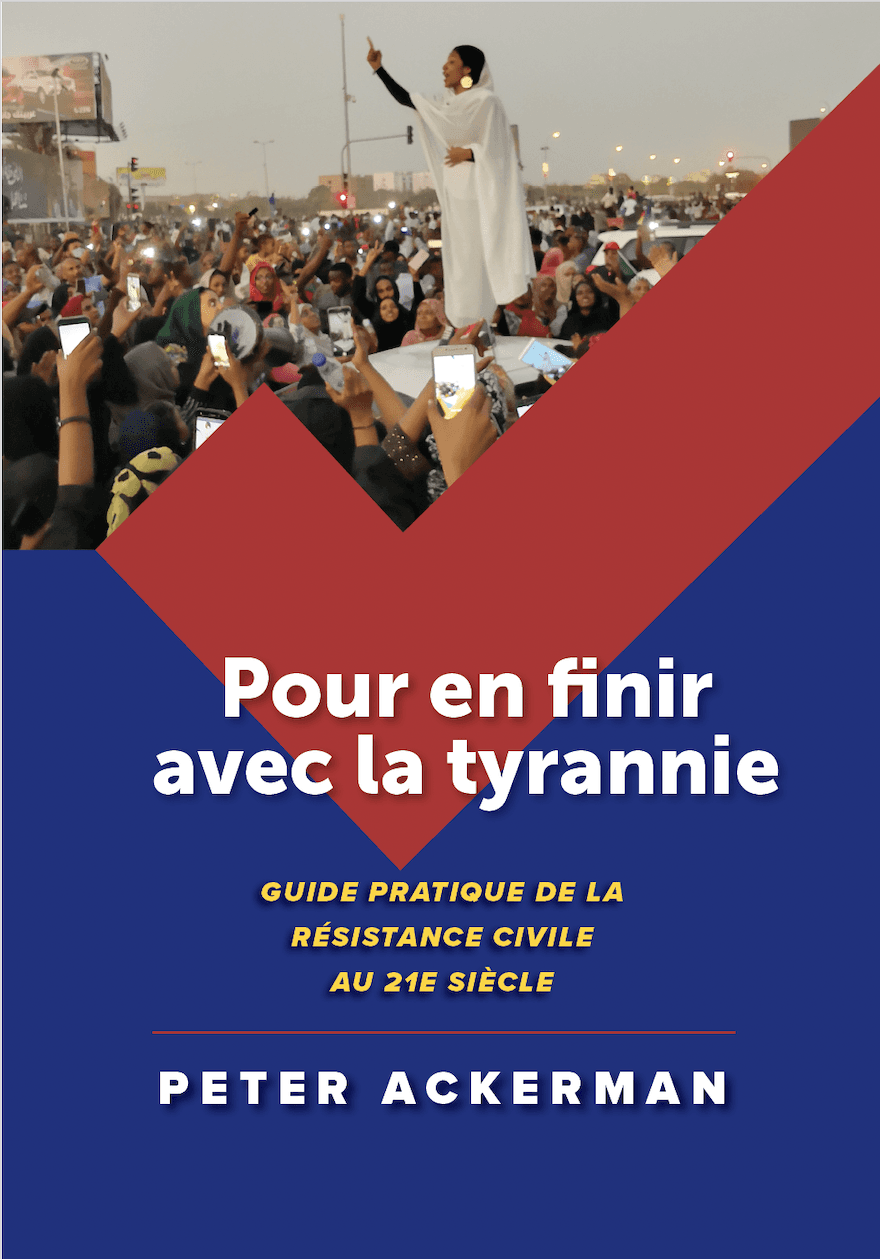

압제정권들이 권력 사용에 대한 독점권을 거머쥐고 있어서 압제가 지속된다고 흔히 생각합니다. 하지만 파업과 보이콧, 대규모 시위와 같이 비폭력 전술을 사용하는 억압된 민중 그 자신이 가장 강력한 원동력입니다.